-
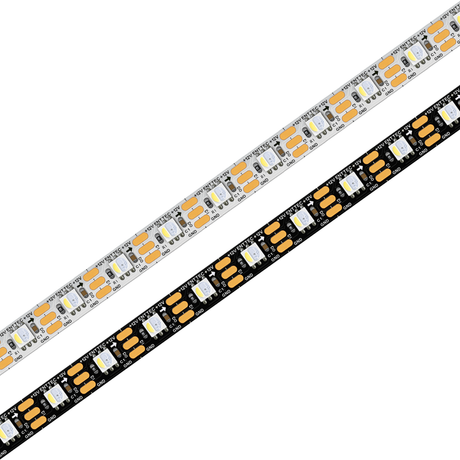
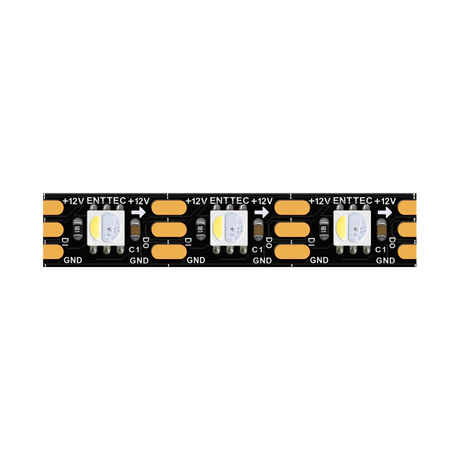
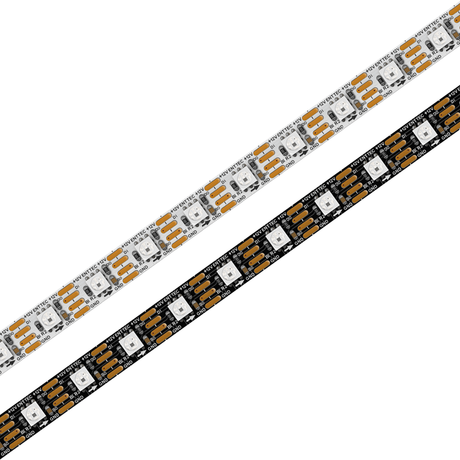
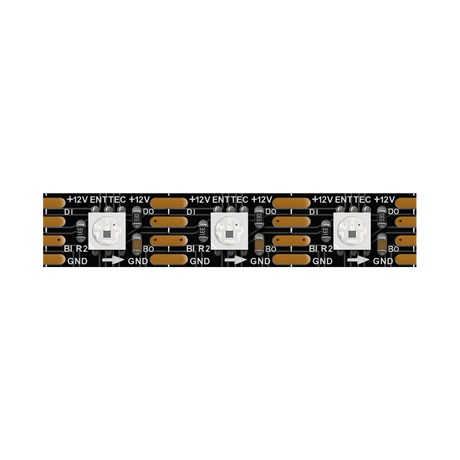
RGB Pixel IP20 LED Strip (12V) ~ Enttec 8PX Series
Regular price $188.50 USDUnit price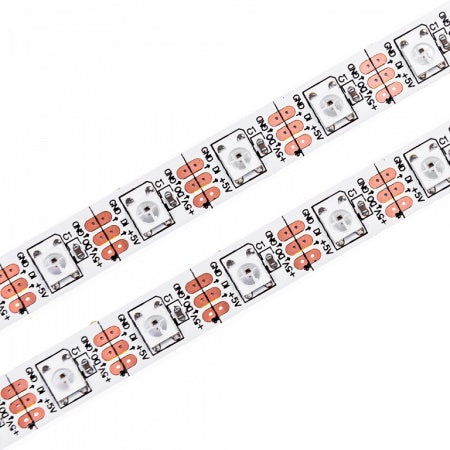

RGB Pixel SK6812 IP20 LED Strip (5V) ~ Lantana Series
Regular price $164.36 USDUnit price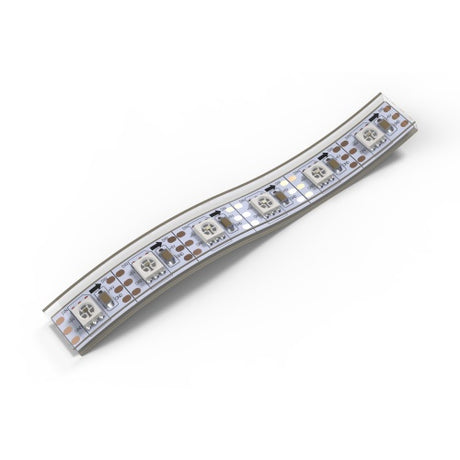
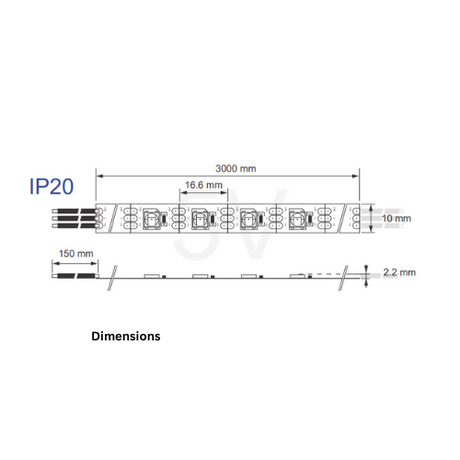
RGB Pixel SK6812 IP68 Waterproof LED Strip (5V) ~ Lantana Series
Regular price $212.63 USDUnit price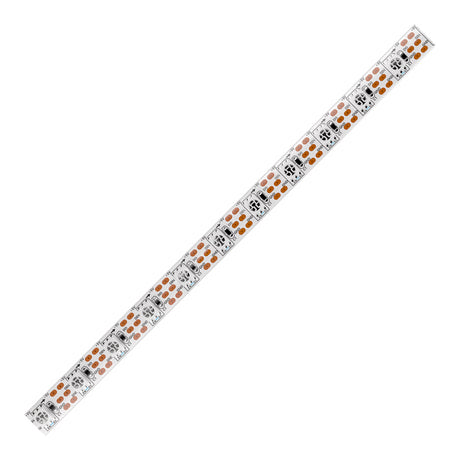
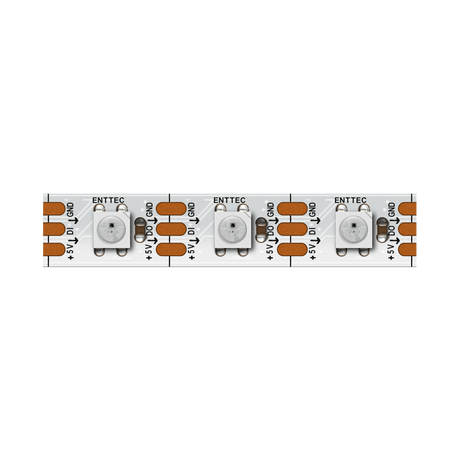
RGB Pixel IP20 LED Strip (5V) ~ Enttec 8PX Series
Regular price $166.32 USDUnit price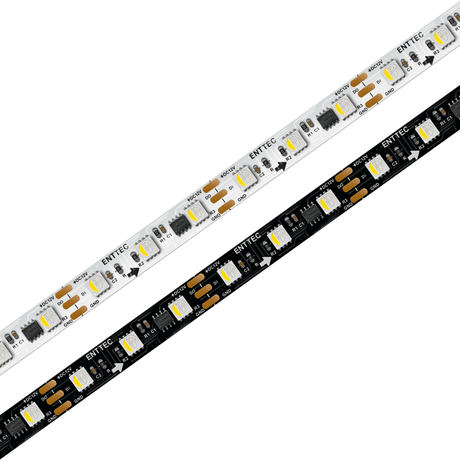
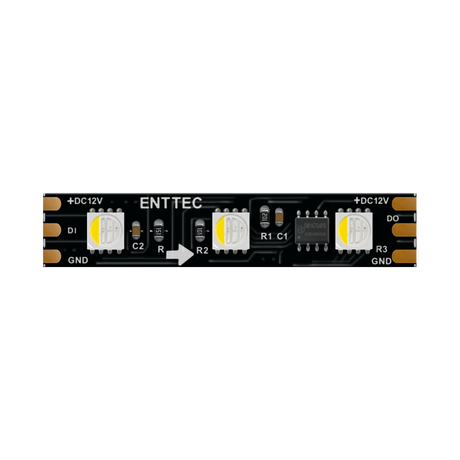
Long-Range RGBW Pixel IP20 LED Strip (12V) ~ Enttec 8PX Series
Regular priceFrom $11.64 USDUnit price
Shop Pixel LED Strip Lights for Dynamic Lighting
LED Pixel Strip Lights for RGB and RGBW Effects
LED pixel strip lights combine LEDs with integrated control chips that receive digital data from an SPI-compatible controller. Each addressable pixel can interpret its assigned color and brightness values independently, which creates moving effects that standard RGB tape cannot reproduce. Current options include 5V and 12V systems, RGB and RGBW output, and 10mm or 12mm PCB widths. IP20 strips suit protected indoor installations, while the Lantana Series also includes an IP68 version for projects exposed to moisture.
Addressable LED Strips vs Standard RGB Strip Lighting
Standard RGB tape changes the connected LEDs together, so the whole run follows the same color command. Addressable tape adds an IC to each LED or pixel group, letting different sections display separate colors simultaneously. This makes digital tape better for chasing patterns, gradients, animated signs, interactive displays, stage effects, and programmed architectural features. Controller compatibility matters because different strips use different ICs and communication protocols. Match the controller to the strip’s chip type, then confirm voltage, pixel count, watts per meter, data wiring, maximum run length, and required power-injection points.
Shop similar collections: 10mm LED Strip Lights | 12mm LED Strip Lights | 12V DC Power Supplies | LED Dimmers and Controllers | DMX Controllers
Our Pixel Lighting Systems with Controller Matching Support
We supply the digital tape, power components, controllers, channels, wiring, and accessories needed to build the lighting system around the chosen pixel protocol. Our controller range includes Dalcnet SPI hardware for programmable RGB, RGBW, and tunable-white loads, with DALI and Casambi control options available for compatible projects. RUNNING-LIGHT controllers support common pixel IC types and 5V to 24V constant-voltage systems. We can check IC compatibility, voltage, pixel quantity, current draw, data distance, and power distribution before you order.
Factors to consider while choosing an addressable pixel LED strip
Selecting the right addressable pixel LED strip for your project requires careful consideration of several factors. The following are critical factors to keep in mind when selecting an LED strip for your project:
Length and Density of LED Strip: When considering the length and density of LED strip, ask yourself how much of the strip you need for your project and how many LED lights per meter (density) are required. You should also ensure that the LED strip can be cut to the length you require.
Voltage and Power Consumption: Make sure the LED strip voltage matches the voltage of the controller and power supply. Consider the power consumption of the LED strip and ensure that you have a power supply that can handle the power demand of the strip.
Waterproofing: If your LED strip will be exposed to water or moisture, it is critical to choose a waterproof LED strip. Common waterproofing options include IP65 (resistant to water sprays) and IP68 (submersible).
Controller Compatibility: Before buying an addressable LED strip, make sure that the controller you plan to use supports the LED strip. Some LED strips are only compatible with specific controllers, so be sure to check before making your purchase.
Choosing the right addressable LED strip can be challenging, but careful consideration of the factors above will help you select the best LED strip for your project. If you need help, you are welcome to contact us – we are happy to assist you with all your project needs.
Frequently Asked Questions (FAQ)
Is addressable pixel LED the same as RGB LED?
No, addressable rgb LED strip is not the same as RGB LED strip. Pixel LED (addressable LED) refers to the ability to individually control each LED pixel on a strip, allowing for different colors and brightness levels for each LED pixel. RGB, on the other hand, typically refers to LED strips where groups of LEDs share the same color control, so all LEDs in a group display the same color simultaneously. Addressable LED pixels provide more flexibility and customization compared to RGB LED strips.
Can I cut and customize the length of addressable pixel LED strips?
Yes, you can cut and customize the length of addressable pixel LED strips. addressable rgb LED strip are typically designed with designated cut points, usually marked with a line or symbol.
Are addressable pixel LED strips compatible with smart home systems?
Yes, addressable pixel LED strips are compatible with many smart home systems. Select a controller that can integrate with your smart home system, and you're good to go. With the correct controller, these LED strips can be integrated into smart home ecosystems like Amazon Alexa, Google Assistant, Apple HomeKit, or other compatible platforms.
Do addressable pixel LED strips require a special power supply?
Addressable pixel LED strips may require a specific power supply, depending on their voltage and power requirements. Most addressable LED strips operate on a 5-volt (5V) or 12-volt (12V) power supply. It's crucial to match the voltage of the power supply with the LED strip's voltage rating to ensure proper functionality.
What is the difference between pixel LED and RGB LED?
The main difference between Pixel LED and RGB LED is how they are controlled. RGB LED strips change all LEDs together because they share the same signal, meaning they can display multiple colors but cannot control individual LEDs separately. Pixel LED strips, also known as addressable LEDs, have a built-in chip in each LED or small group of LEDs, allowing for individual control and creating dynamic effects like chasing, gradients, and animations.
What is the difference between addressable and non addressable LED strips?
Addressable LED strips allow individual control of each LED, enabling dynamic effects like chasing, rainbow, and custom patterns. Non-addressable LED strips have all LEDs controlled together, meaning they can only display a single color or brightness level at a time.
What is the difference between LED and pixel LED?
Standard LED strips emit light uniformly and can only change colors as a whole, meaning all LEDs display the same color at the same time. Pixel LED strips have individual control over each LED or a small group of LEDs using built-in chips, allowing for dynamic effects like animations and color changes.