New arrival
SPI Pixel Controller with DALI and DMX for Digital LED Strip ~ Model RUNNING-LIGHT-V2
Regular price $115.46 USDUnit price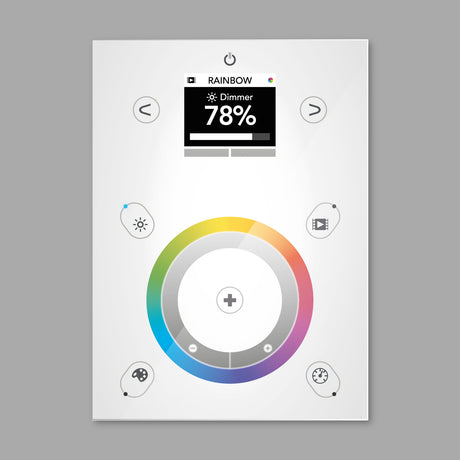
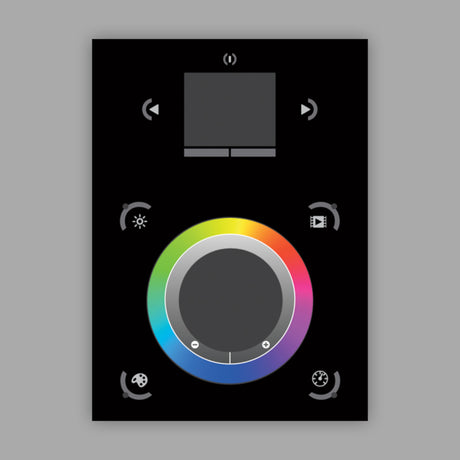
Wall-mounted Touch Sensitive DMX Lighting Controller ~ Nicolaudie STICK-DE3
Regular price $1,364.66 USDUnit price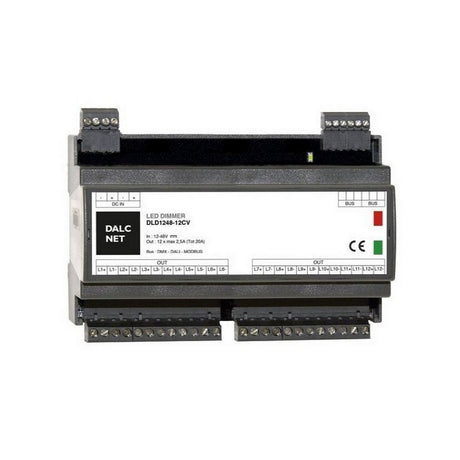
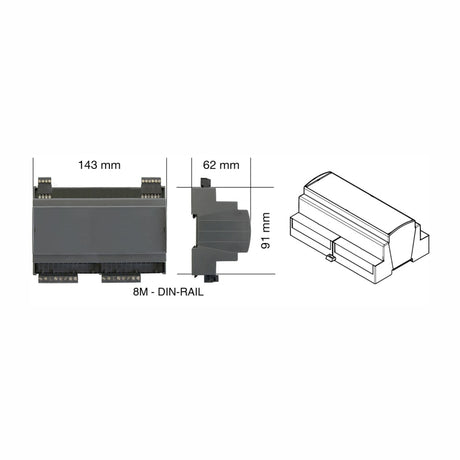
DIN-rail 12-Channel Constant Voltage LED Dimmer with DMX ~ Model DLD1248-12CV-DMX
Regular price $267.74 USDUnit price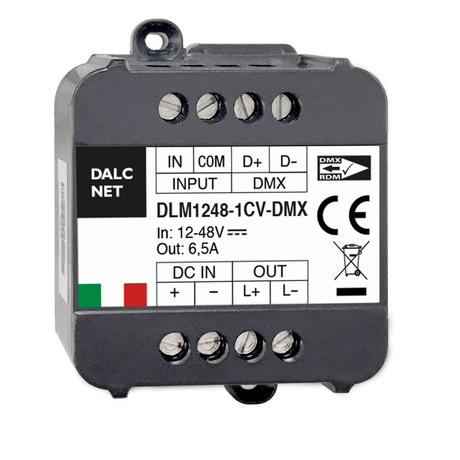
Single-Channel LED Light Dimmer with DMX ~ Model DLM1248-1CV-DMX
Regular price $56.80 USDUnit price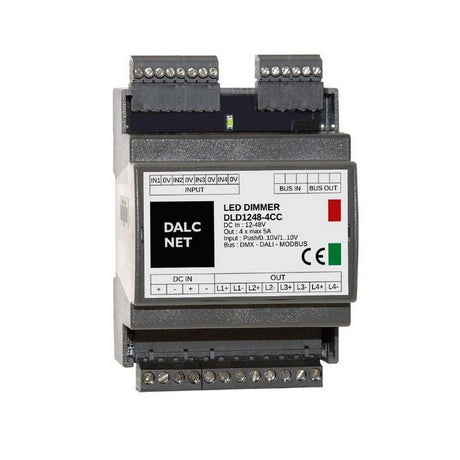
DIN-rail 4-Channel Constant Current LED Dimmer with DMX ~ Model DLD1248-4CC-DMX
Regular price $178.99 USDUnit price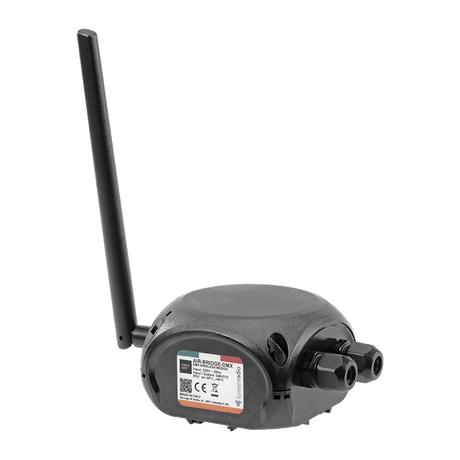
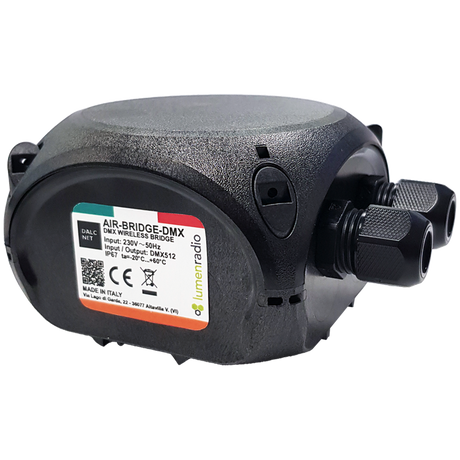
Wireless DMX Transmitter and Receiver System ~ Model AIR-BRIDGE-DMX
Regular price $750.76 USDUnit price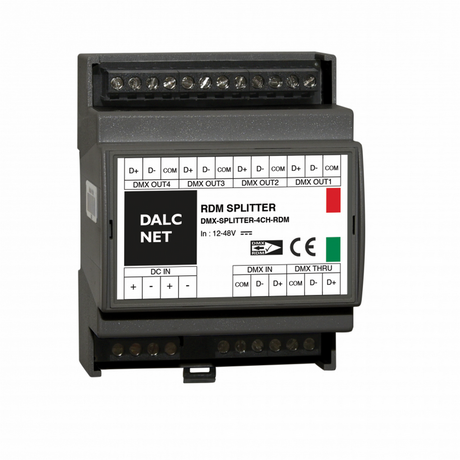
4-Channel DMX Bus Splitter for Lighting Control Systems ~ Model DMX-SPLITTER-4CH-RDM-LE
Regular price $404.33 USDUnit price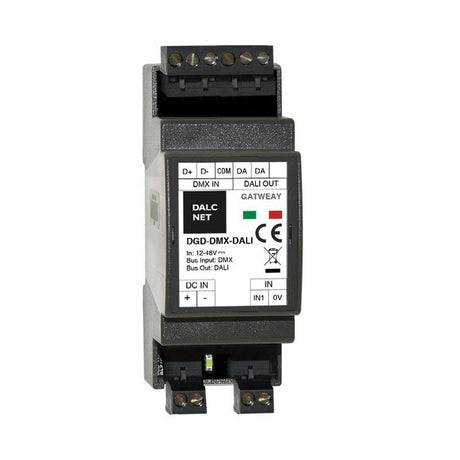
Network Gateway with DMX to DALI Converter ~ Model DGD-DMX-DALI
Regular price $204.06 USDUnit price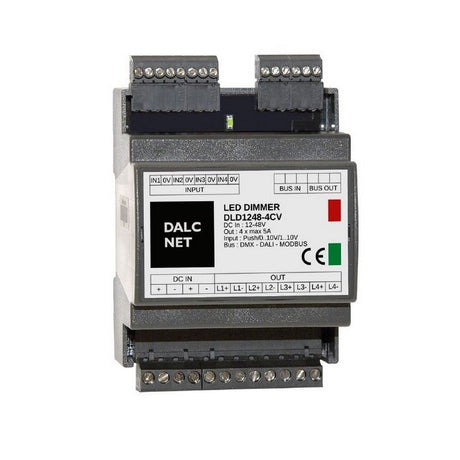
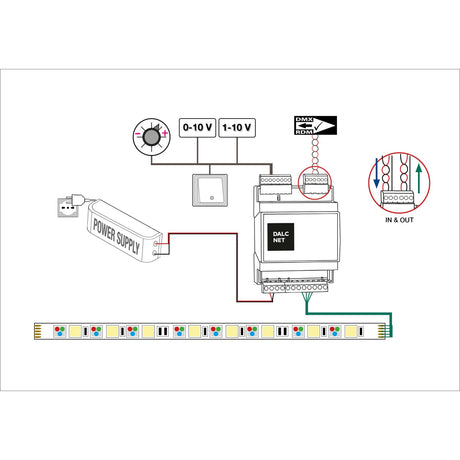
DIN-rail 4-Channel Constant Voltage LED Dimmer with DMX ~ Model DLD1248-4CV-DMX
Regular price $178.99 USDUnit price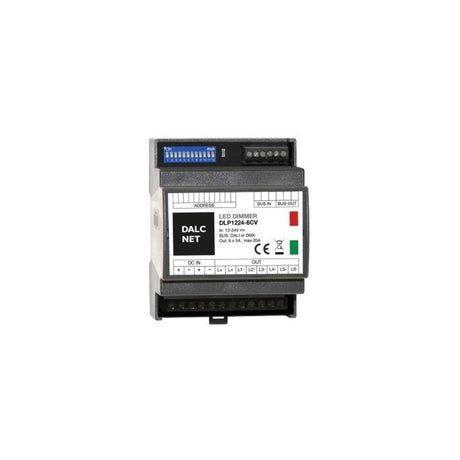
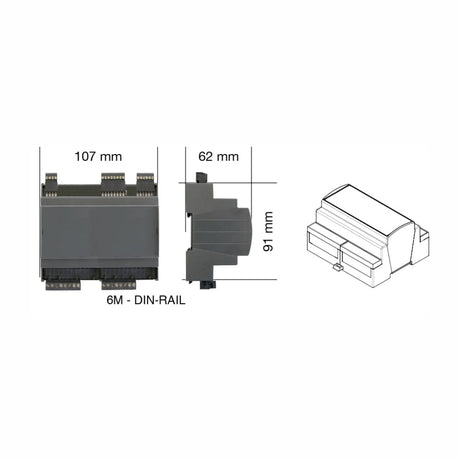
DIN-rail 6-Channel Constant Voltage LED Dimmer with DMX ~ Model DLP1224-6CV-DMX
Regular price $204.22 USDUnit price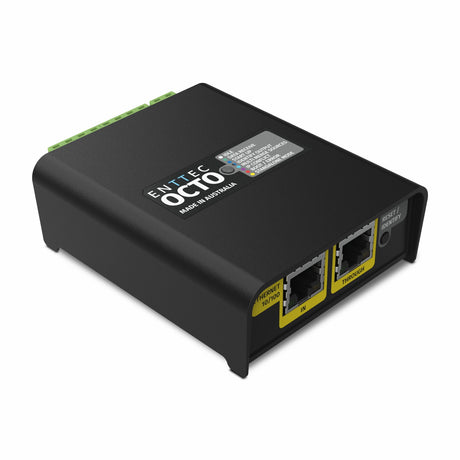
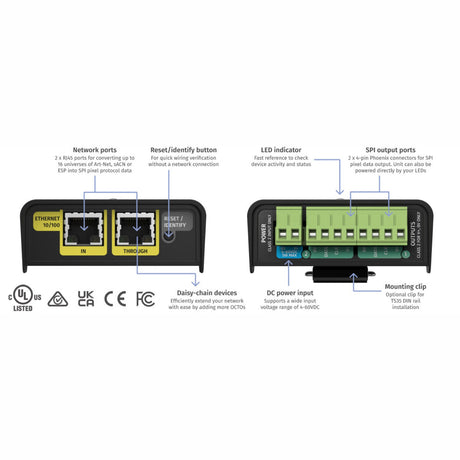
32-Universe eDMX Pixel LED Controller ~ Enttec Octo Mk3
Regular price $297.36 USDUnit price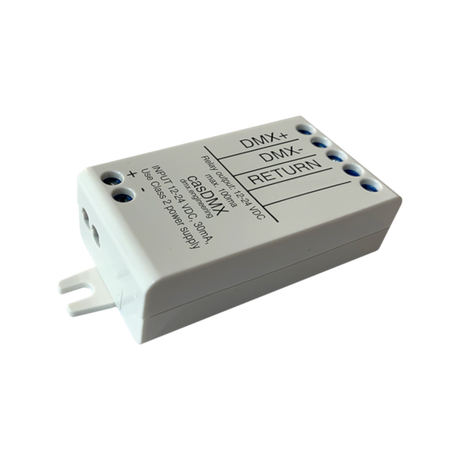
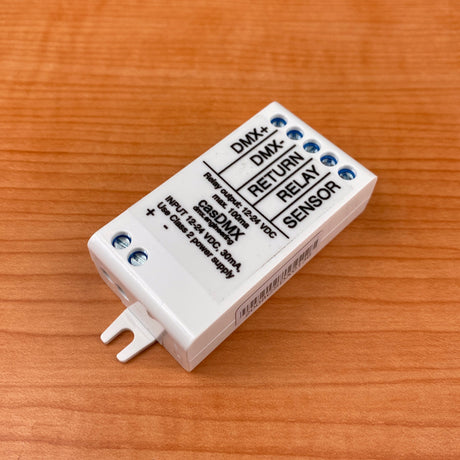
Casambi Enabled Wireless DMX Master ~ Model casDMX
Regular price $237.95 USDUnit price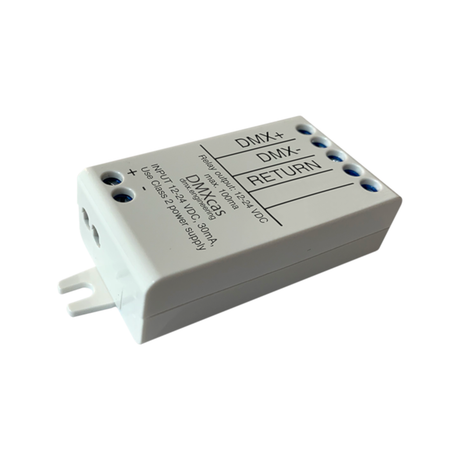
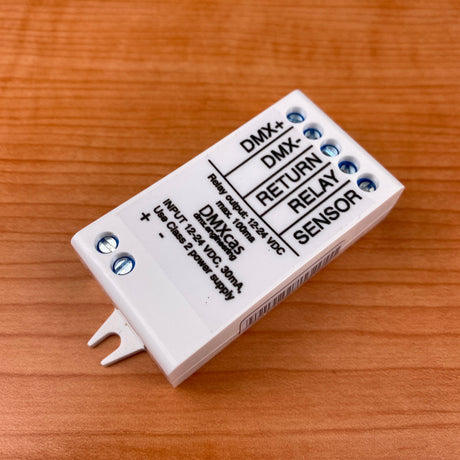
DMX to Casambi Wireless 4-Channel Dimmer ~ Model DMXcas
Regular price $237.96 USDUnit price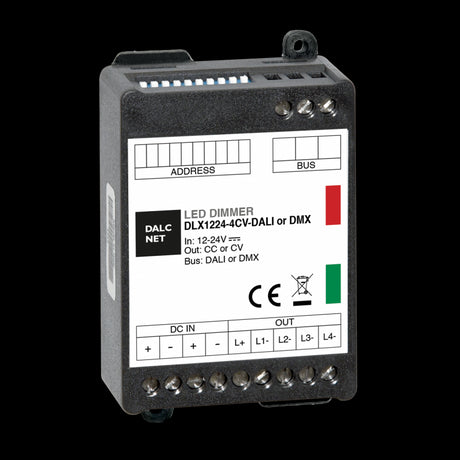
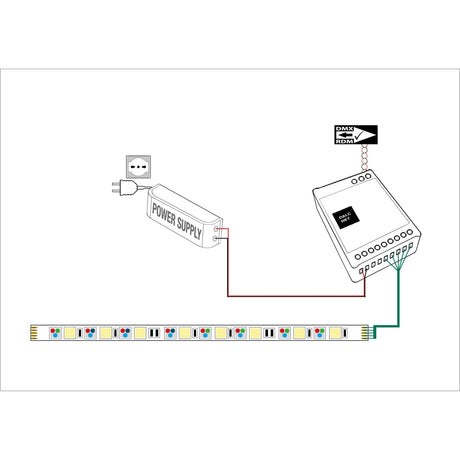
RGBW 4-Channel LED Dimmer with DMX Control ~ Model DLX1224-4CV-DMX
Regular price $69.50 USDUnit price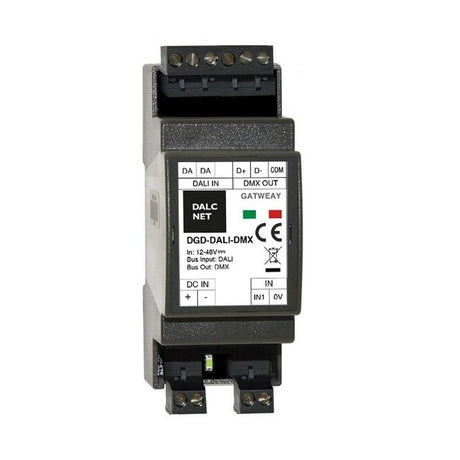
Network Gateway with DALI to DMX Converter ~ Model DGD-DALI-DMX
Regular price $204.06 USDUnit price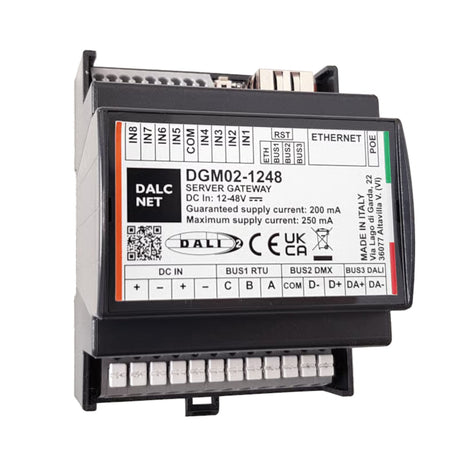
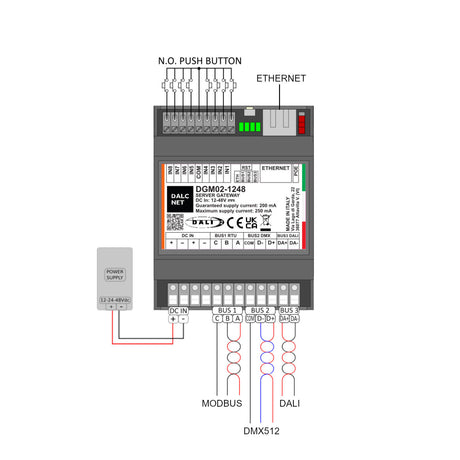
Multi-Bus Network Gateway and Protocol Converter ~ Model DGM02-1248
Regular price $769.82 USDUnit price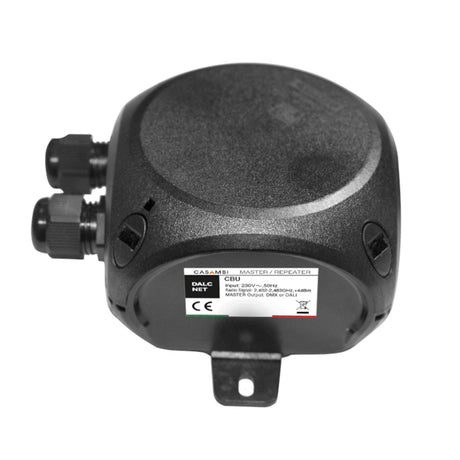
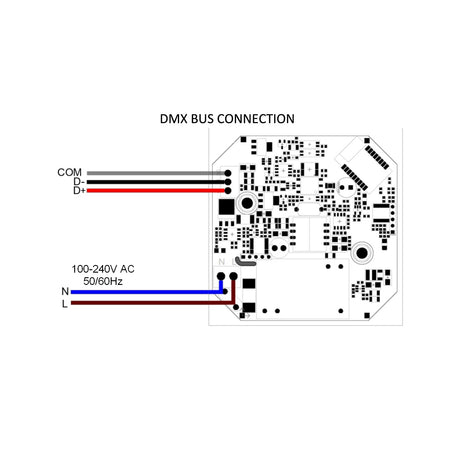
Casambi Enabled DMX Master with Mains Power ~ Model CBU-MASTER-DMX-IP
Regular price $392.39 USDUnit price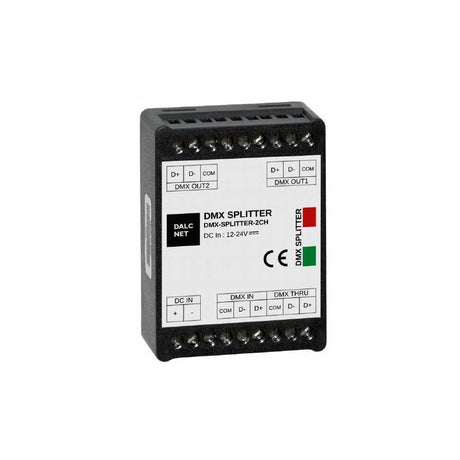
2-Channel DMX Bus Splitter Lighting Control Systems ~ Model DMX-SPLITTER-2CH-RDM
Regular price $219.37 USDUnit price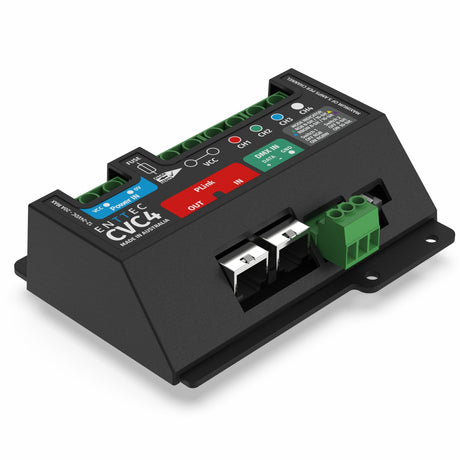
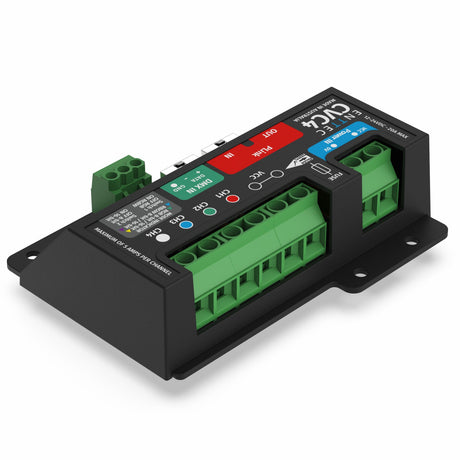
4-Channel Constant Voltage Dimmer with DMX and PLink ~ Enttec CVC4
Regular price $82.66 USDUnit price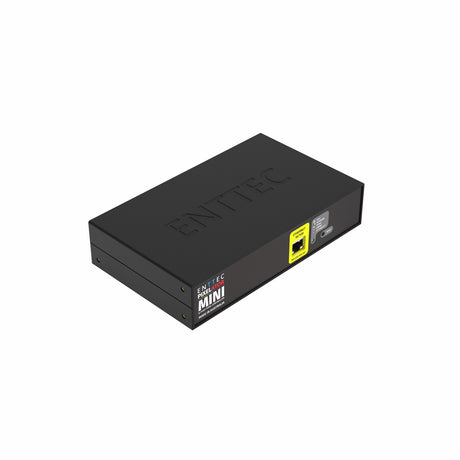
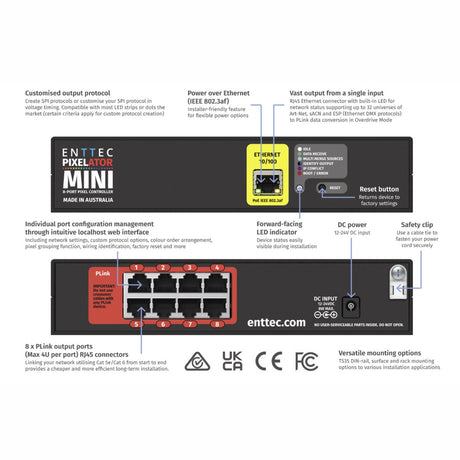
16-Universe eDMX to SPI LED Pixel Converter ~ Enttec Pixelator Mini
Regular price $630.00 USDUnit price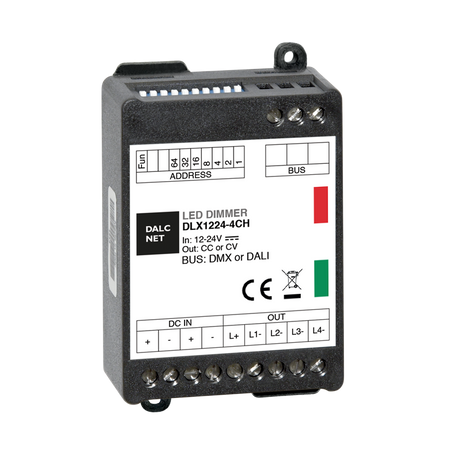
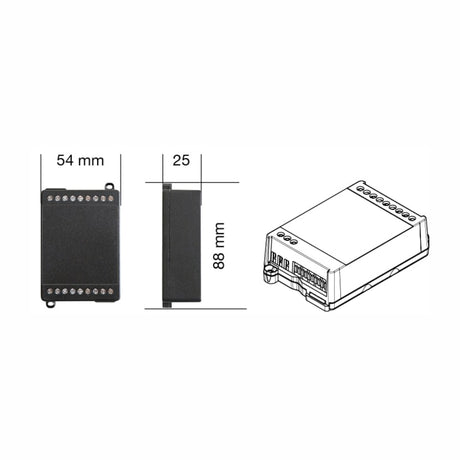
DMX 4-Ch Constant Current LED Controller (500mA) ~ Model DLX1224-4CC500-DMX
Regular price $98.28 USDUnit price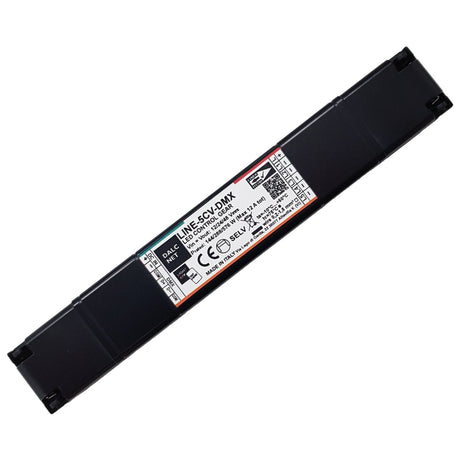
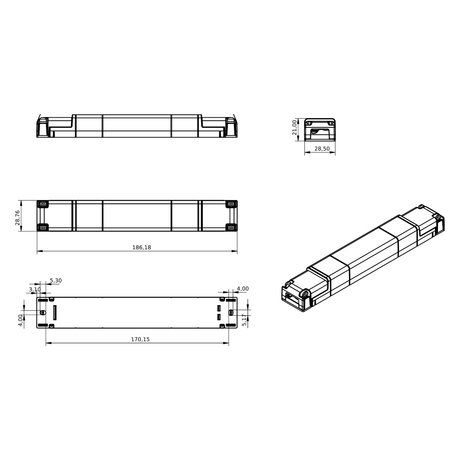
Slimline 5-Channel RGB+TW LED Dimmer with DMX ~ Model LINE-5CV-DMX
Regular price $123.31 USDUnit price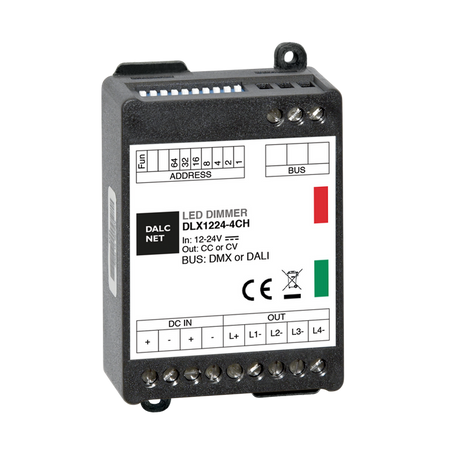
DMX 4-Ch Constant Current LED Controller (350mA) ~ Model DLX1224-4CC350-DMX
Regular price $98.28 USDUnit price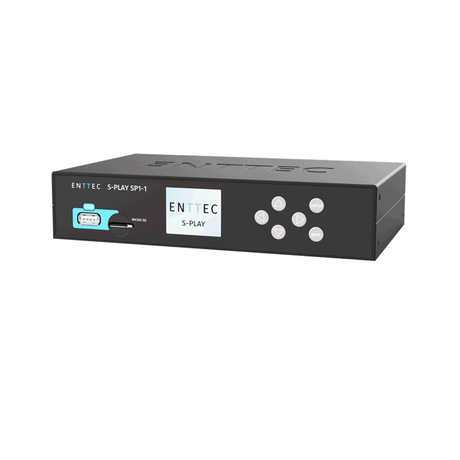
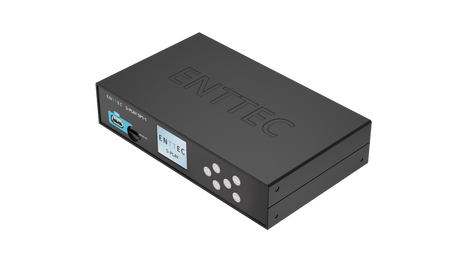
Professional 32-Universe DMX Show Controller ~ Enttec S-Play SP1-1
Regular price $2,318.40 USDUnit price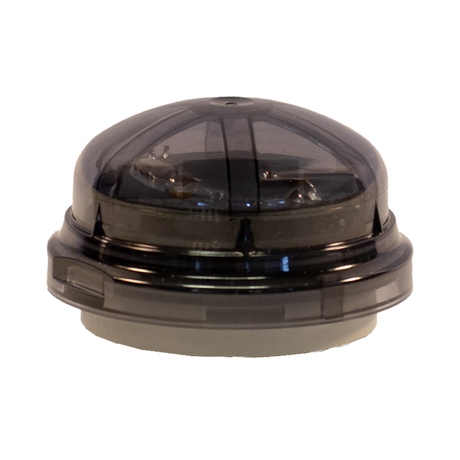
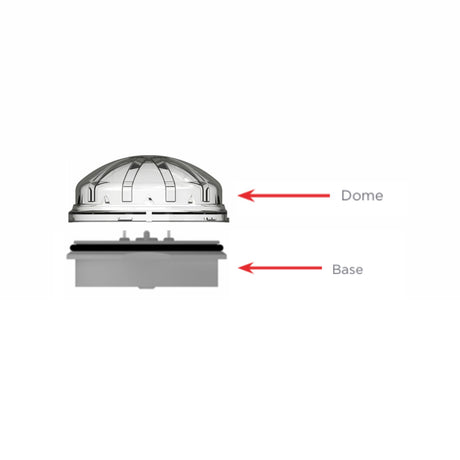
Casambi Enabled 12-Channel Outdoor DMX Master Controller ~ Model Zhaga casDMX
Regular price $176.04 USDUnit price
DIN-rail 1-Channel Constant Voltage LED Dimmer with DMX ~ Model DLD1248-1CV-DMX
Regular price $114.73 USDUnit price
Slimline Casambi to DMX Signal Converter ~ Model SLIM-CBU-DMX
Regular price $153.96 USDUnit price

8-Universe eDMX to SPI Pixel Controller ~ Enttec Octo Lite
Regular price $161.28 USDUnit price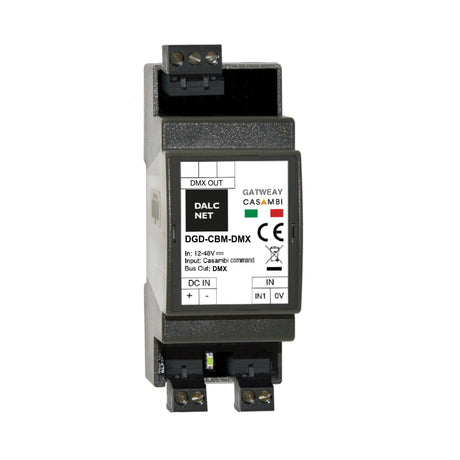 Sold out
Network Gateway with Casambi to DMX Converter ~ Model DGD-CBM-DMX
Regular price $426.57 USDUnit price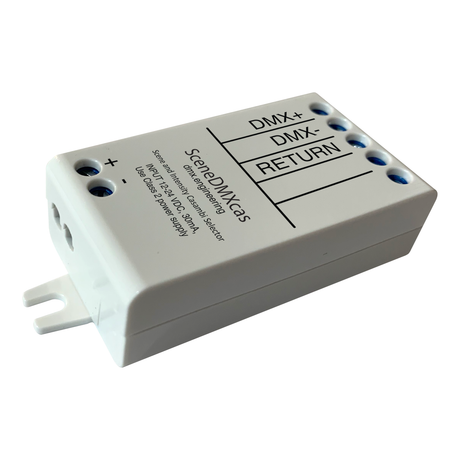
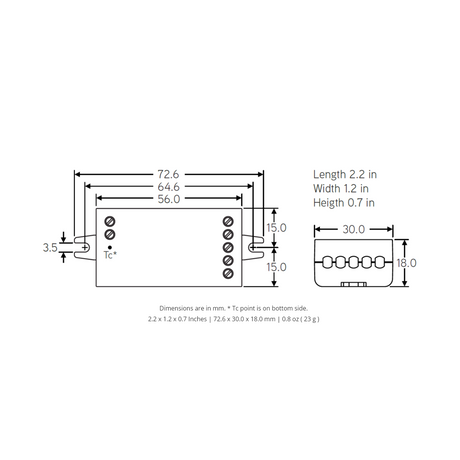 Sold out
DMX to Casambi Wireless Scene Selector ~ Model SceneDMXcas
Regular price $103.93 USDUnit price


Shop Dmx Light Controller Box for LED Strips and Fixtures
Clean Cue Control From a DMX Board
When timing and consistency matter, a DMX board helps you run scenes that look the same every time. Many options here support common output types like tunable white and RGB+W. You will also find DIN-rail mount models for panels and racks. This is a practical fit for lighting designers and stage technicians who want stable control across multiple zones.
DMX Lighting Controllers for Venues and Permanent Installs
DMX lighting controllers can fit a small DJ booth, a retail display, or a full building facade. Choose models with Bluetooth or wireless features when cabling needs to stay minimal. Gateway and protocol converter options support workflows that mix DMX/eDMX with 0-10V or DALI. This is useful for integrators and installers working across modern lighting control systems.
Shop similar collections: LED Strip Lights | RGBW LED Strip Lights | COB LED Strip Lights | Waterproof LED Strip Lights | High Density LED Strips
Need a DMX Box That Bridges Protocols
Dmx Light Controller setups get easier to scale when the system can translate signals cleanly. This category includes gateway and protocol converter models that can connect DMX/eDMX with platforms like Casambi. Some options support PoE for network-based installs. For longer runs, protocol repeater models can help keep signal distribution stable across larger layouts.
FAQ
Can I use DMX Lighting Control for both LED and traditional lighting fixtures?
Yes, DMX Lighting Control is compatible with various lighting fixtures, including LED, moving head lights, PAR cans, and traditional incandescent fixtures. As long as the fixture has DMX capabilities, it can be integrated into a DMX-controlled system.
Can I create dynamic lighting effects with DMX Lighting Control?
Yes, DMX Lighting Control allows for the creation of dynamic lighting effects and sequences. DMX controllers and software offer various tools to program and synchronize lighting effects with music, events, or theatrical performances.
Can I control multiple fixtures simultaneously with DMX Lighting Control?
Yes, DMX Lighting Control allows for the control of multiple fixtures simultaneously. By grouping fixtures into universes and utilizing DMX LED controller with multiple output ports, you can manage a large number of fixtures in complex lighting setups.
Is DMX Lighting Control compatible with wireless technology?
Yes, there are wireless DMX solutions available that allow for cable-free communication between DMX controllers and fixtures. For professional wireless DMX links indoors or outdoors, you can use the AIR-BRIDGE-DMX. If integrating with a Casambi wireless system, use DMXcas & casDMX for indoor applications or CBU-MASTER-DMX-IP or Zhaga casDMX for outdoor installations.
Can I integrate DMX Lighting Control with other automation systems?
Yes, DMX Lighting Control can be integrated with other automation systems, such as audio, video, and stage automation. This integration enables synchronized and immersive experiences where lighting complements other aspects of an event or production.
Can you have two DMX controllers?
Yes, you can have two DMX controllers, but you need to ensure proper setup. You can use a DMX merger to combine signals or assign controllers to separate DMX universes to avoid conflicts.
What can be controlled by DMX?
DMX is a standard protocol primarily used to control lighting devices, enabling precise management of various fixtures such as LED strips, moving head lights, and architectural lighting. Beyond lighting, DMX can also control fog machines, motorized stage equipment, and other devices equipped with DMX512 compatibility, making it versatile for live performances, architectural installations, and entertainment events.
What are the limitations of DMX?
DMX has a few limitations that users should consider. The standard DMX512 protocol supports a maximum of 512 channels per universe, meaning large installations may require multiple DMX universes. It is also a one-way communication system, so devices cannot send feedback to the controller.
Can you control DMX lights with a computer?
Yes, you can control DMX lights with a computer using DMX software and a DMX interface. The computer sends control signals through the interface, which converts USB or Ethernet data into DMX512 protocol. You'll need a compatible DMX interface, such as an Enttec DMX USB Pro or Art-Net node, to connect your computer to the lighting fixtures. This setup allows precise control over colors, intensity, effects, and automation for stage, architectural, and event lighting.
How to operate DMX lights without controller?
You can operate DMX lights without a controller by setting them to Sound-Activated Mode, Master-Slave Mode, or using pre-programmed standalone functions. Many DMX fixtures have built-in programs that allow them to function independently. Here’s how:
- Sound-Activated Mode – If your lights have a built-in microphone, they can react to music. Enable this mode through the fixture’s menu.
- Master-Slave Mode – Set one light as the Master and others as Slaves using DIP switches or the digital menu. The Slave units will follow the Master’s effects.
- Standalone Mode – Many DMX lights have pre-programmed chases and effects. You can select a program and adjust speed or intensity without a controller.
- Wireless DMX or App Control – Some modern fixtures support control via mobile apps or wireless DMX dongles.
For more flexibility, you can also use a DMX Recorder/Playback Device, which allows you to program scenes without a full controller.
Press releases
-

Remote DMX Control with Casambi (Blog Post)
-

Versatile DMX Control with the Nicolaudie STICK-DE3 (LinkedIn)
-

Understanding LED Controllers: The Heart of Smart Lighting (LinkedIn)