LED Solution: Residential Stair Lighting
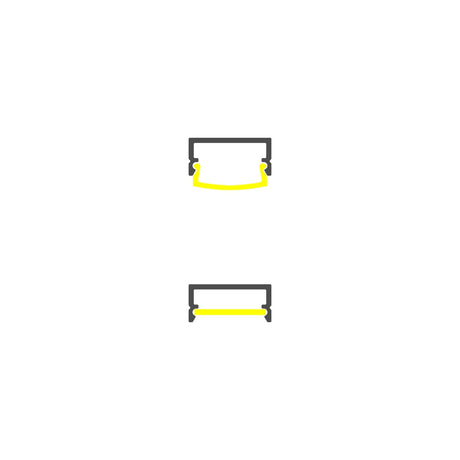
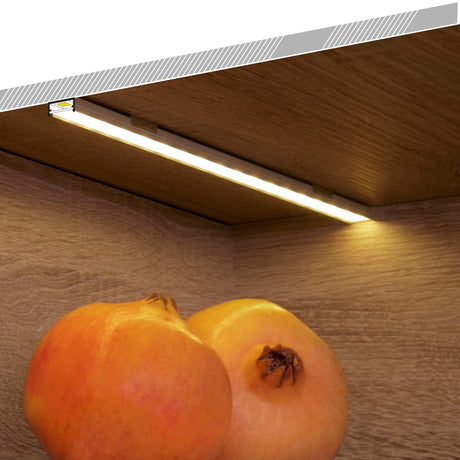
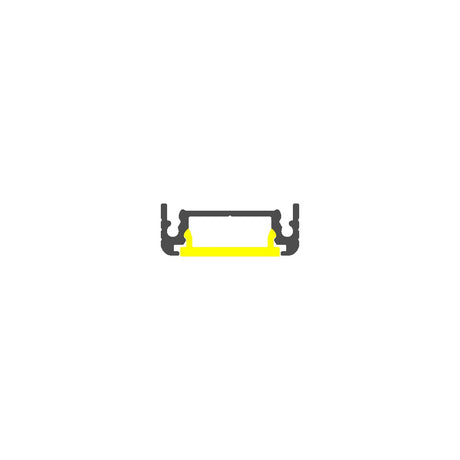

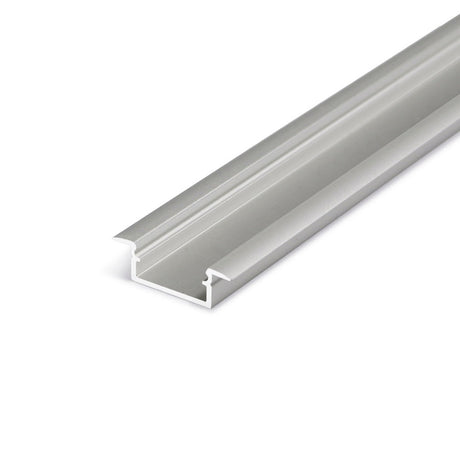
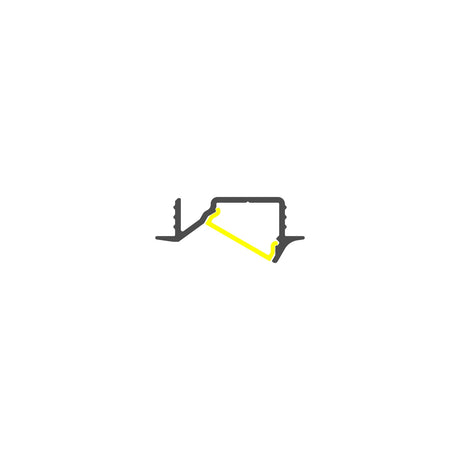
Surface LED Channel With Concealed Mounting ~ Model Surface14
Regular priceFrom $1.96 USDUnit price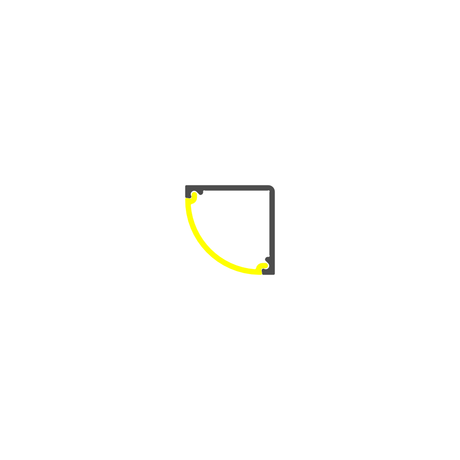
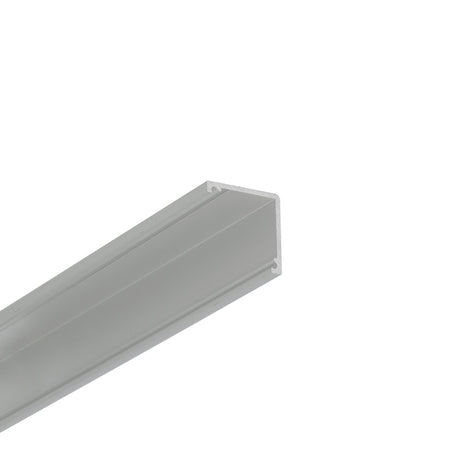

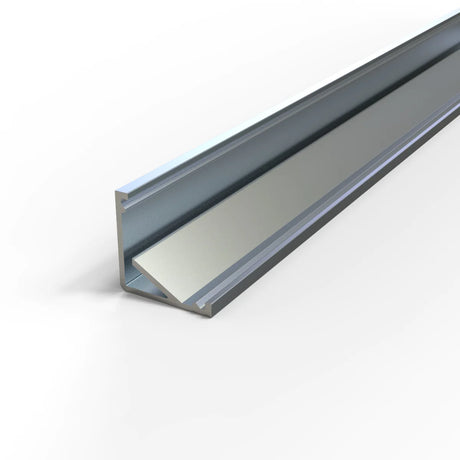


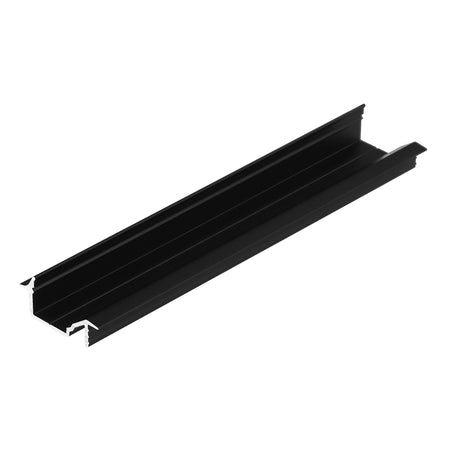
Surface Mount Corner LED Channel ~ Model Corner12.v2
Regular priceFrom $1.97 USDUnit price
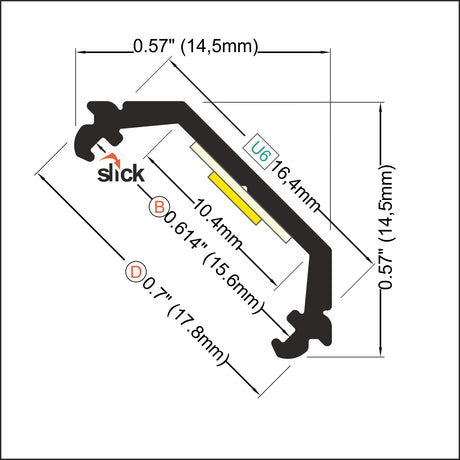



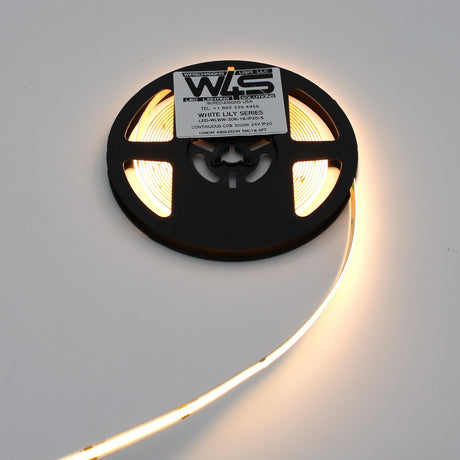
COB IP20 Dotless LED Strip (24V) ~ UniBasic Series
Regular priceFrom $7.37 USDUnit price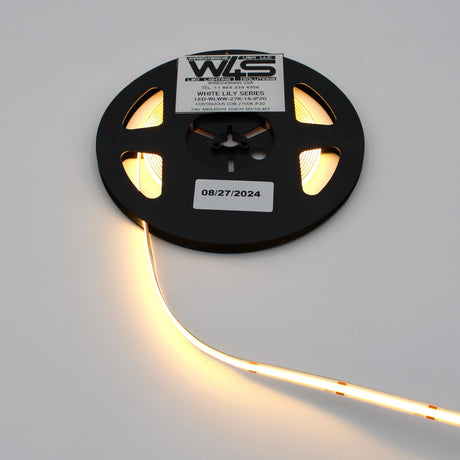
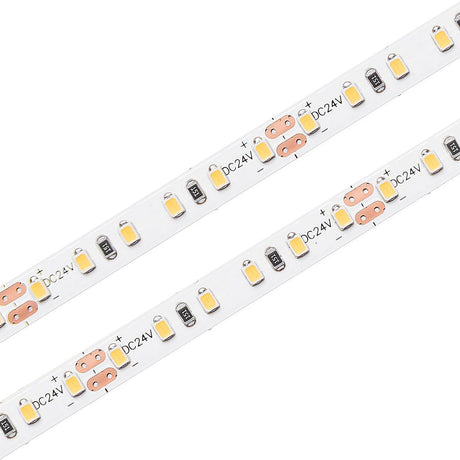
Thin LED Strip IP20 High CRI LED 2216 (24V) ~ Honey Suckle Series
Regular priceFrom $20.09 USDUnit price
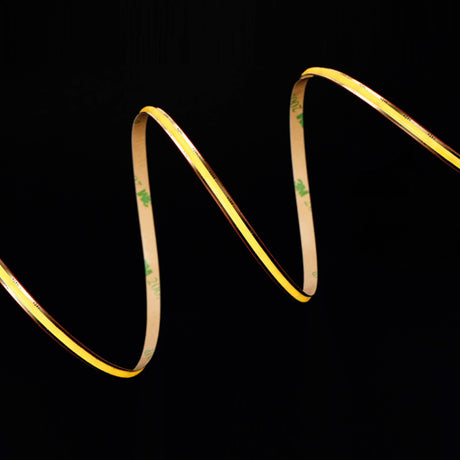
Narrow COB IP20 High CRI LED Strip (24V) ~ Elite Gold Slim Series
Regular priceFrom $13.76 USDUnit price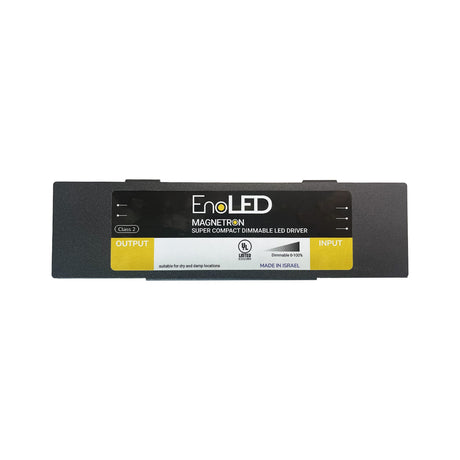
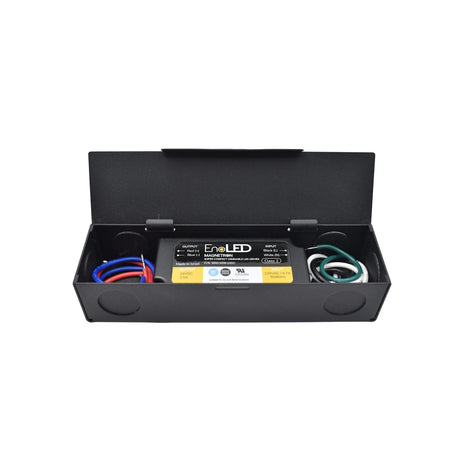
Super Compact Dimmable Class 2 LED Driver (24V) ~ EnoLED XRD Series
Regular priceFrom $96.04 USDUnit price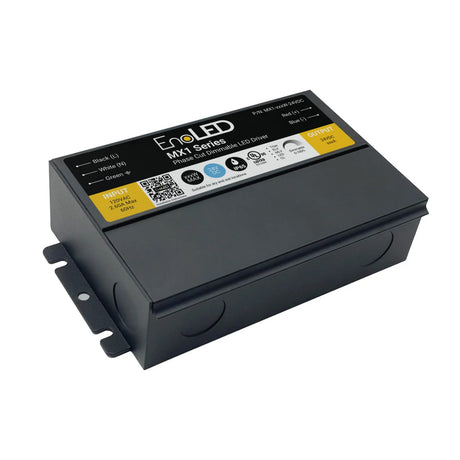
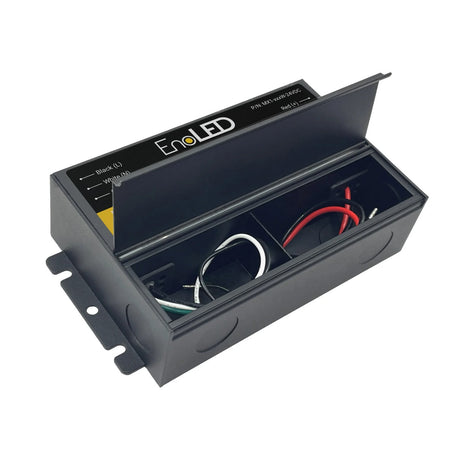
Compact Dimmable J-Box LED Driver (24V) ~ EnoLED MX1 Series
Regular priceFrom $169.21 USDUnit price
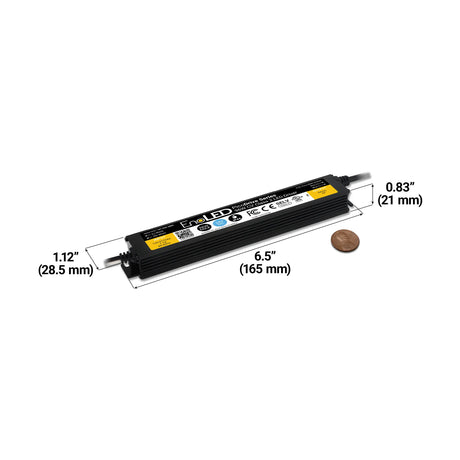
Slim Class 2 LED Driver (24V) ~ EnoLED PicoDrive Series
Regular price $52.59 USDUnit price

Non-Dimmable Plug-In LED Driver (24V) ~ EnoLED ELD Series
Regular priceFrom $73.17 USDUnit price

Multi-Channel Smart LED Controller with RF Remote Support ~ EnoLED EnoSync Series
Regular price $86.89 USDUnit price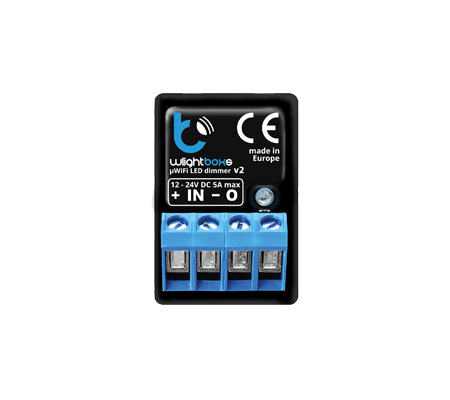
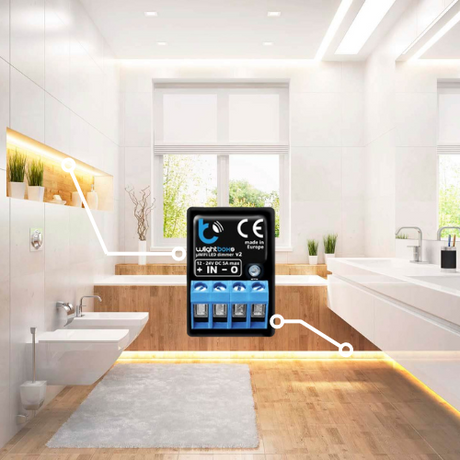
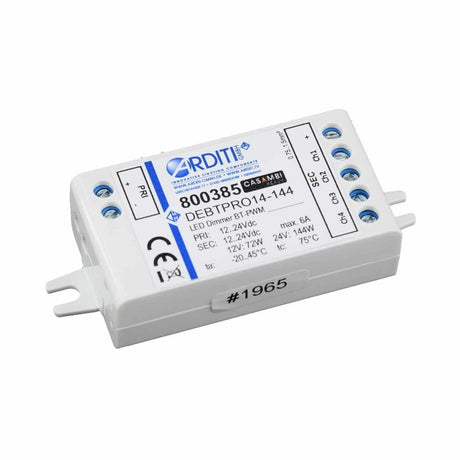
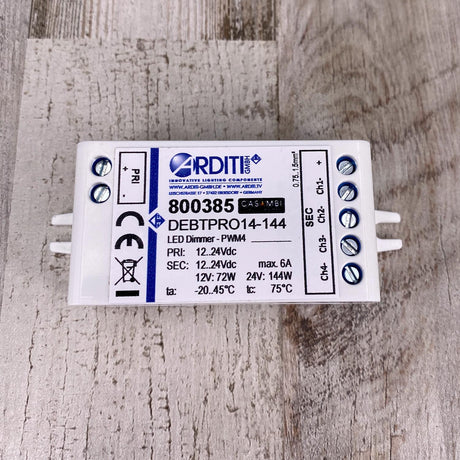
Casambi 4-Channel Bluetooth Mesh LED Controller ~ Model CBU-PWM4
Regular price $112.44 USDUnit price


Residential Stair Lighting Styles
There are a number of functional lighting styles for residential staircases that we have solutions for:
- Downward lighting attached to or recessed into the bottom of the stair nose.
- Angled lighting attached to or recessed into the bottom of the stair nose.
- Angled lighting attached to the riser.
There are other styles that we have not included in this collection:
-
Angled lighting recessed into the riser.
While this would probably be the neatest solution of all, along with lighting recessed into the bottom of the nosing, we don't have a suitably angled channel for this style. While most of our recessed channels would fit fine, even the angled lighting ones would cast the light mostly forward instead of down onto the stairs. If you interested in this as a decorative effect, though, feel free to contact us and we'll show you the options. -
Angled lighting recessed into the front of the nose.
As above, we unfortunately do not have a suitably angled channel for this style. Many of our recessed channels could fit in the front of a standard stair nose, but they would cast the light mostly forward instead of down onto the stairs. Again, if you interested in this as a decorative effect, feel free to contact us and we'll show you the options. -
Low-power upward lighting recessed into the top of the tread near the front.
This requires a trimless, walk-over recessed channel. We do have options for tiled stairs: the Floor8 and Floor12 channels. For wood and similar, the only suitable channel we have is the Alu-Swiss 20; but because it is 1" deep, it requires a very thick stair tread and so we have not included it here.
If you want to discuss options for your project, feel free to contact us.
LED Channel Selection
Your choice of channel depends on the style you are going for and your installation constraints.
- Straight downward vs angled lighting: The choice is largely aesthetic. Downward lighting will mostly light the back of the step it is on, with the brightness much less toward the front of the step. These channels will cast light at approximately 45° towards the front, so this is fine when installed on steps with roughly equal riser height and tread depth (such as the common 7" and 10"/11"). Angled lighting washes the entire step fairly evenly.
- Installation complexity: Recessed channels provide a cleaner finish than surface mount channels, but they are more complex to install. Surface mount channels (or their mounting clips) are simply screwed or glued in place; recessed channels require a recess be made for them.
- Addition to existing stairs vs new install or major renovation: While it is technically possible to make the recesses for recessed channels with chisels, it is impractical for an entire staircase – a router is usually the best method. Because of this, adding recessed lighting to the bottom of the nosing of an existing staircase will be very hard without taking the treads off. But for new installs or renovations recessed lighting is an excellent choice.
For downward lighting attached to the bottom of the stair nose, we recommend the Begton12 or Surface14.
The benefit of the Surface14 over the Begton12 is if you want to use mounting clips for mounting the channel but want the clips concealed. The Begton12 can use clips, but they will not be concealed. You can also mount the Begton12 by driving a screw through the bottom of the profile, instead of using mounting clips. The downside is that it is much wider than the Begton12 (24 mm / 0.95" instead of 14.4mm / 0.57").
For downward lighting recessed into the bottom of the stair nose, we recommend the Begtin12. There are many channels on our site that will work; we selected just the Begtin12 to keep things simple for you.
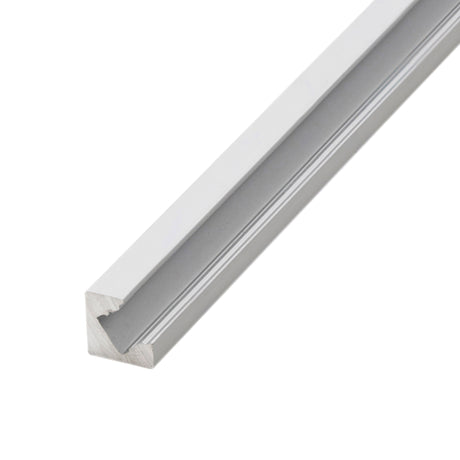
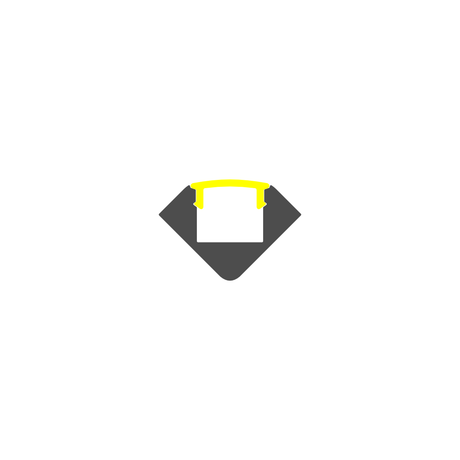
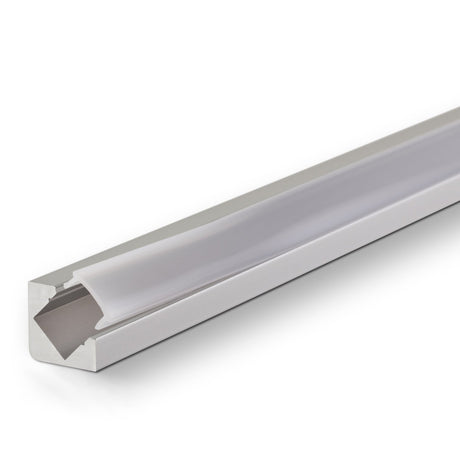
For angled lighting attached to the riser or bottom of the stair nose, any of the corner channels in this collection will work.
For angled lighting recessed into the bottom of the stair nose, we recommend the Diagonal10. It casts the light at enough of an angle to wash the entire step without missing too much of the back.
We recommend angled channels be installed so that they shine mostly downward, if they have options for light angle. For example, the Cabi12 can be installed with the light shining at 30° or 60°. For the Cabi12 Duo, we recommend placing a strip only at the top, facing down.
LED Strip Selection
You don’t need very powerful LED strips for stair lighting for it to be functional. In low light, low-power strips are quite sufficient. And since the fixture's face is not directly visible, "spotting" is not an issue even with low-density strips – 60 LEDs/m with a clear diffuser is quite alright and saves power. The only exception is if your stair treads are very reflective, such as polished hardwood. In that case, use an opal or frosted diffuser instead of clear and select a higher density strip (such as 120 or 180 LEDs/m). If you are unsure, feel free to contact us for assistance.
The Texas Mini, due to it's small size, requires a very narrow strip. We have included the Honey Suckle and Elite Gold Slim strips for this purpose.
Note that while we have only included white strips, any color of strip is usable. Just be sure to select an appropriate controller, and ensure the channel can fit the width of the strip you want.