Lighting can completely change how your RV feels. It affects comfort, visibility, battery life, and even your sleep. Many RV owners replace older bulbs with LED strip lights, but not all LED products are the same. Choosing the right ones takes a little planning.
Here is what to consider before making the switch.
Start With the Right Brightness
Brightness is measured in lumens, not watts. Many people still look at wattage out of habit, but with LED lights, lumens tell you how bright the light will actually be.
As a simple guide:
-
150 to 300 lumens works well for reading lights
-
300 to 500 lumens is good for general ceiling lighting
-
500 lumens or more may be useful for kitchen or work areas
In a small RV space, too much brightness can feel harsh. It is usually better to spread light evenly with multiple fixtures instead of installing one overly bright light in the center.
Choose the Correct Color Temperature
Color temperature affects the mood inside your RV. It is measured in Kelvin.
-
2700K to 3500K gives a warm, soft glow similar to a home living room
-
4000K to 5000K provides a clean, natural white
-
5000K and above feels bright and cool, like daylight
For sleeping areas and lounge spaces, warm white lighting helps create a calm setting. Kitchens and bathrooms often benefit from natural white because it shows true colors and improves visibility.
Keeping the same color temperature throughout the RV also creates a more balanced look.
Confirm Your RV’s Power System
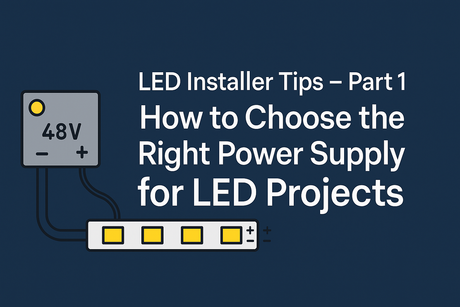
Most RV interiors operate on 12V DC power. Before ordering LED lights, check that they are built for 12V systems. Using lights designed for household 120V power will not work without special converters.
It is also important to confirm base types when replacing bulbs. Common RV bases include wedge, bayonet, and festoon. Matching the correct base saves time and avoids wiring changes.
Reliable suppliers such as Wired4SignsUSA provide detailed product specifications, which makes it easier to choose compatible options. Read what size generator for 50 amp rv
Consider LED Strip Lighting for Tight Spaces
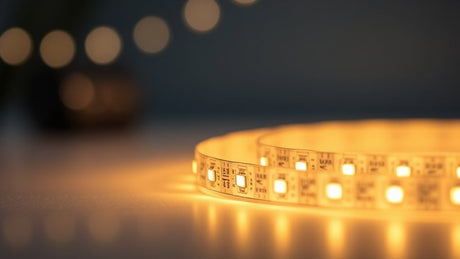
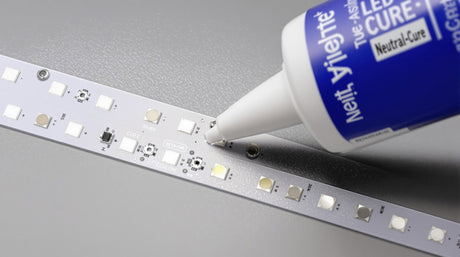
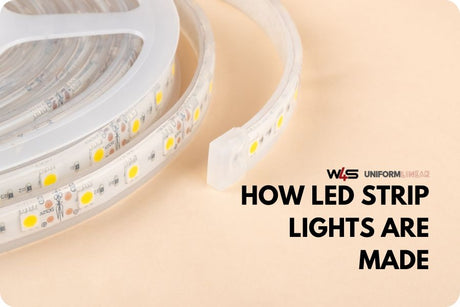
LED strip lights are popular in RV interiors because they are thin and flexible. They work well:
-
Under kitchen cabinets
-
Inside storage compartments
-
Along ceilings or slide-outs
-
Under beds or seating
When selecting strip lights, look at the number of LEDs per foot. Higher-density strips usually give smoother and more even light. Also, check if the strip includes a proper backing and heat support.
Think About Battery Life and Boondocking
If you enjoy camping without hookups, energy efficiency becomes even more important. LED lights use far less power than traditional incandescent bulbs. This can significantly reduce battery drain overnight.
For example, replacing several older bulbs with LED alternatives can cut lighting power use by more than half. That difference adds up during extended stays off-grid.
Lower power use also reduces heat inside the RV, which is helpful during warmer months.
Add Dimmers for Better Control
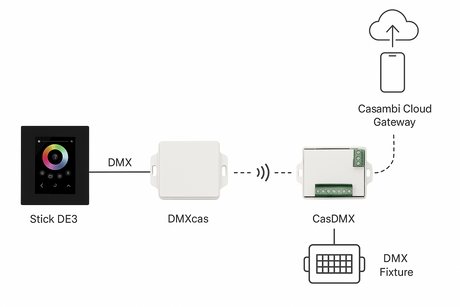
Installing dimmer switches designed for 12V LED systems gives you flexibility. You can use full brightness while cooking or cleaning, then lower the light in the evening.
Dimmers also help extend battery life since you are not always running lights at maximum output.
Make sure the dimmer is compatible with LED technology. Standard dimmers made for older bulbs may cause flickering.
Focus on Safety Lighting
Interior lighting is not only about comfort. It also improves safety.
-
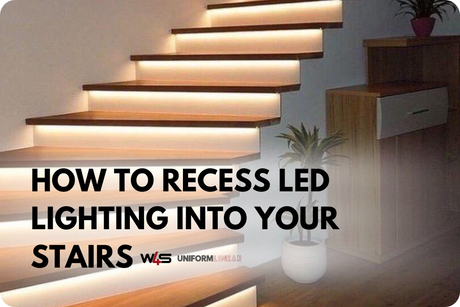
Step lights reduce the risk of tripping at night
-
Bathroom lighting prevents accidents
-
Entryway lights make it easier to move in and out after dark
Soft floor-level lighting can be especially helpful during overnight bathroom trips without waking everyone inside.
Check for Heat and Ventilation
LED lights produce less heat than older bulbs, but quality still matters. Poorly made fixtures can trap heat and shorten the life of the LED chips.
Look for products with proper heat sinks or aluminum backing. Good heat management increases lifespan and reliability, especially in enclosed RV fixtures.
Avoid Common Mistakes
From our experience in RV rental and repair, we often see a few repeated issues:
-
Mixing different color temperatures in the same space
-
Choosing lights that are too bright for small interiors
-
Installing non-regulated LEDs that flicker
-
Ignoring voltage compatibility
Taking time to plan your lighting layout prevents these problems.
Choosing the right LED lights for your RV interior is about more than replacing old bulbs. It involves brightness, color tone, voltage compatibility, energy efficiency, and smart placement.
When selected carefully, LED lighting improves comfort, protects your battery system, and creates a welcoming space after a long day on the road. A thoughtful lighting upgrade is one of the simplest ways to make your RV feel more like home.