Blog Post
How to Recess LED Lighting Into a Wall
Recessed wall lighting gives a cleaner, longer-lasting finish than stick-on strips.
WIRED4SIGNS USA • FREE shipping on orders over $349 T&C apply

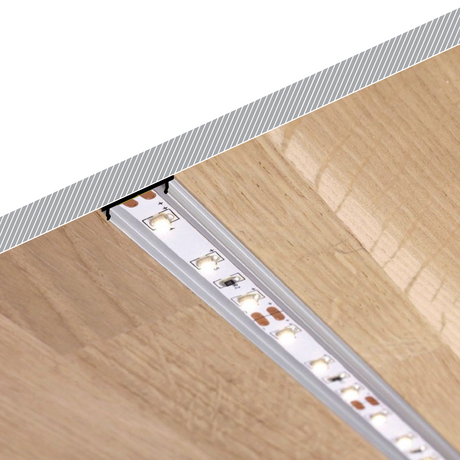


Tile Edge LED Strip Light Channel Kit ~ Model Uni-Tile12 180Deg


Double-Sided Bendable LED Channel ~ Model Arc12 Duo


1" Suspended/Surface Mount LED Channel ~ Model Pixy20-01


1" Suspended/Surface Mount LED Channel ~ Model Pixy20-02


Complementary Profile ~ Model Pixy20-03


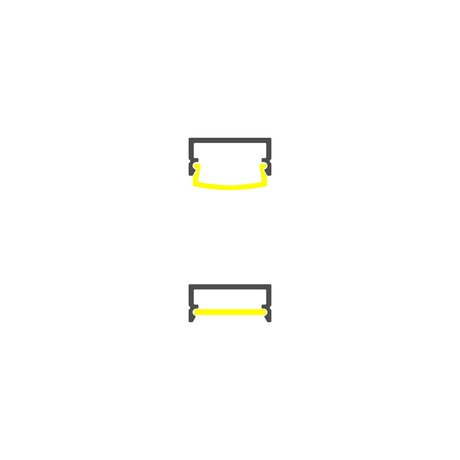
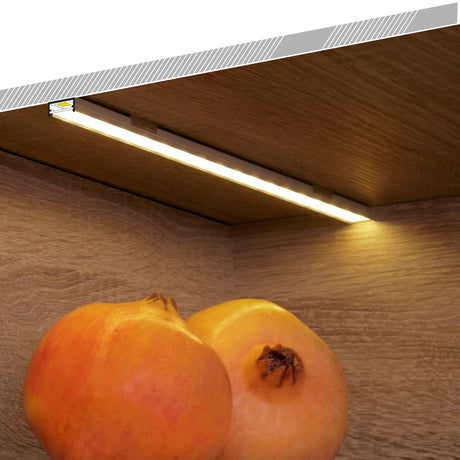




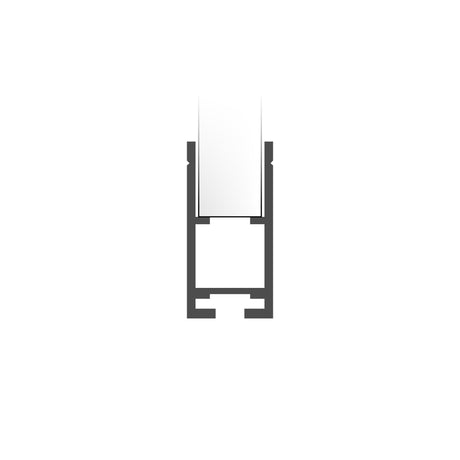
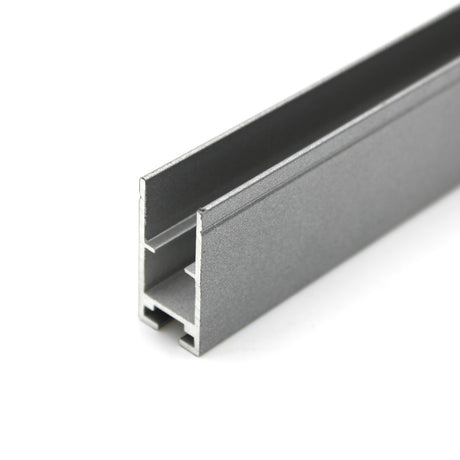


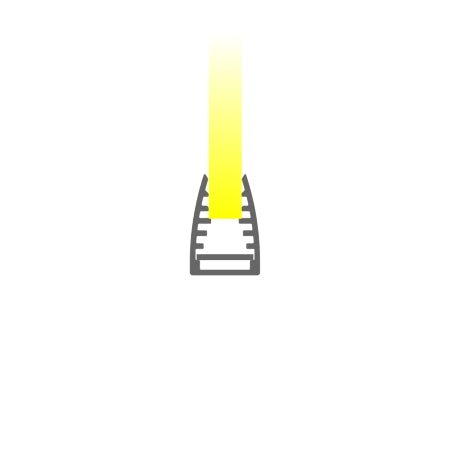
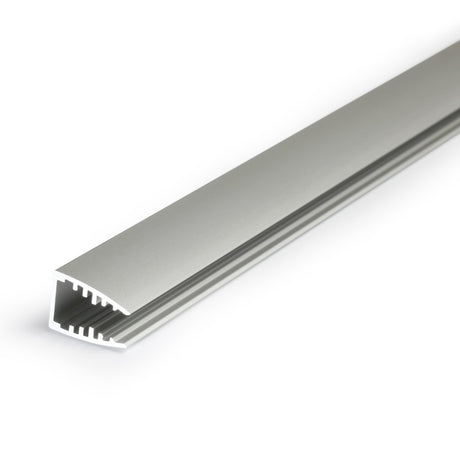
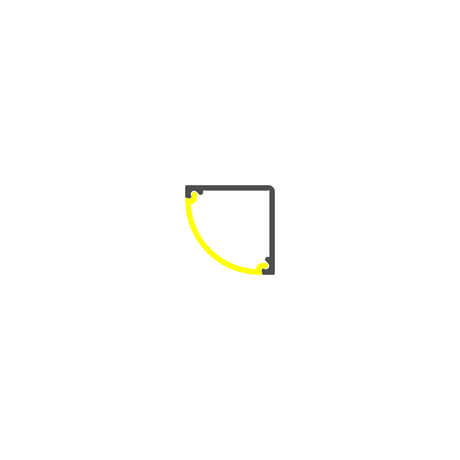
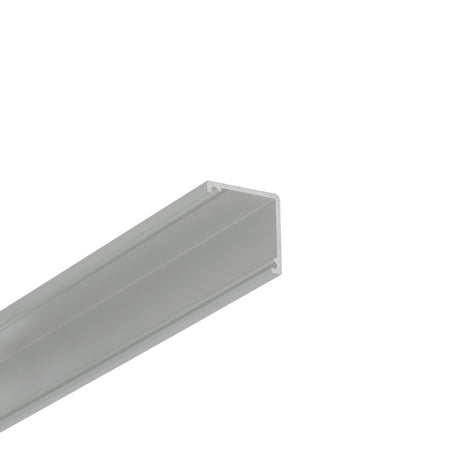


1.50" Round Acrylic LED Tube ~ Model Sierra38


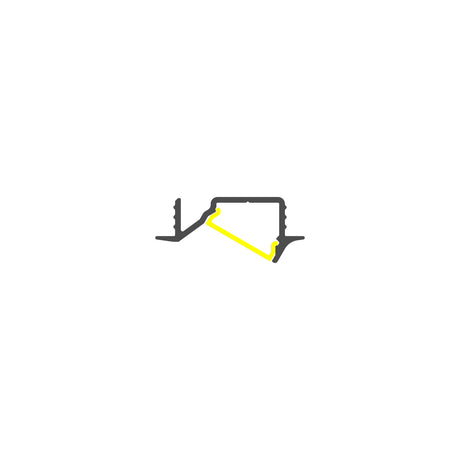
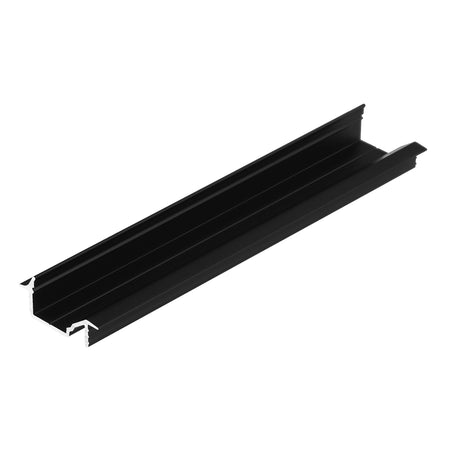
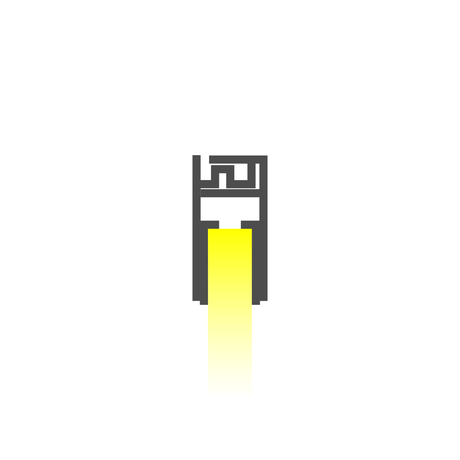
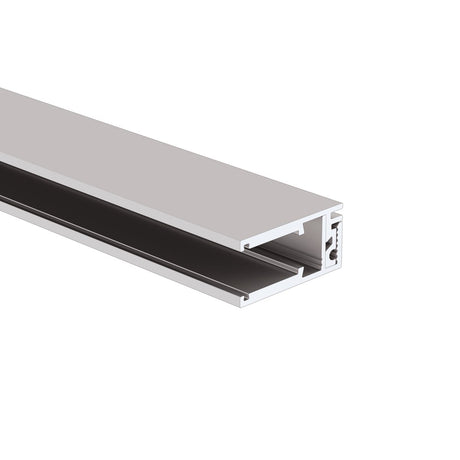
Edge-lit LED Extrusion for 3/8" Glass Panels ~ Model Klus KRAV-810
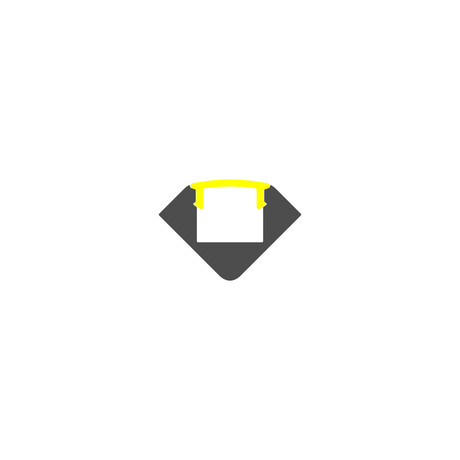
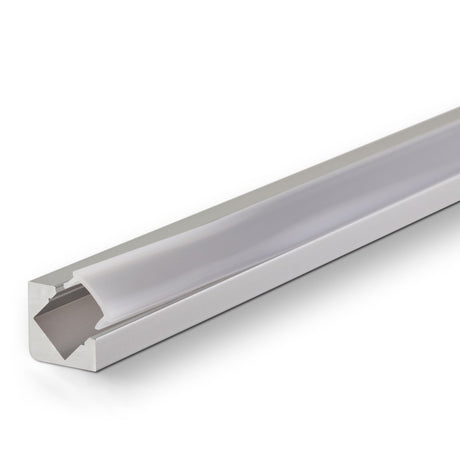


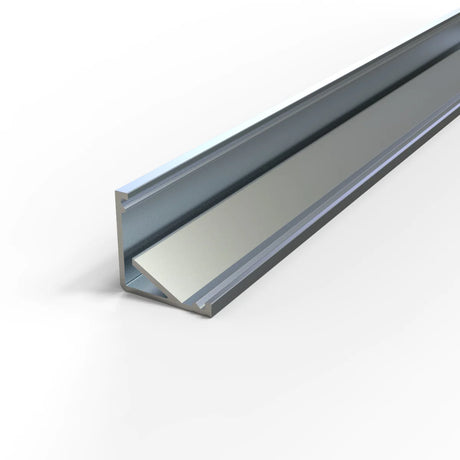
30/60 Degree Corner LED Channel Kit ~ Model Cabi12


Oval Methacrylate 360deg LED Diffuser Tube ~ Model Oslo Doble


Cove Tunnel Indirect LED Lighting Channel ~ Model Caracas

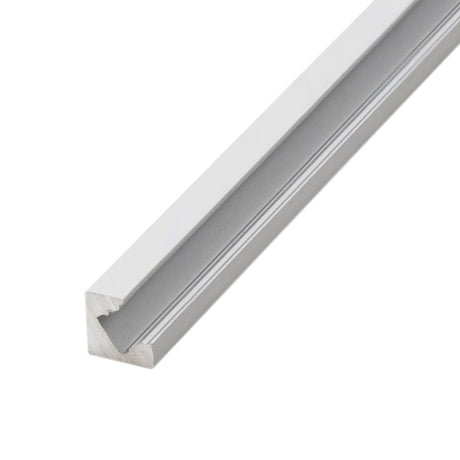


Plaster-In Trimless Plasterboard Border LED Profile ~ Model Plane14-Side


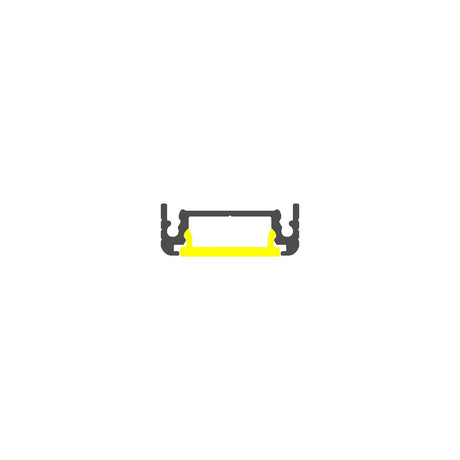

Surface LED Channel With Concealed Mounting ~ Model Surface14


Waterproof Recessed Aluminum LED Channel ~ Model Berlin XL


1.3" Shallow-Section Plaster-in Drywall LED Channel ~ Model Vario30-04


Recessed Indirect LED Lighting Channel ~ Model Cancun


Surface Mount Corner LED Channel ~ Model Corner12.v2


2" Wide Aluminum Linear LED Lighting Profile ~ Model PL55-FL


LED profile systems help you match the housing to the way your strip lights will be installed before choosing strip width, diffuser style, finish, and accessories. Surface profiles suit finished cabinets, shelves, displays, and retrofit spaces where routing is not planned. Recessed profiles fit grooves in millwork, stair details, counters, and linear slots. Corner profiles direct light across adjoining surfaces. Drywall and trimless profiles suit ceiling lines, wall details, and built-in lighting where the profile needs to sit into the finish.
Some installations need a profile that becomes part of the structure rather than a visible add-on. Plaster-in and tile-in profiles work well when the lighting detail is planned before the wall, ceiling, or surface is finished. Wall-mount profiles suit vertical light lines, grazing effects, and mounted architectural details. Suspended profiles are better when the light source needs to hang below the ceiling plane. Tube lighting and LED diffuser tubes suit round linear effects where a standard rectangular profile does not match the design.
Shop similar collections: 6mm LED Strip Lights | 8mm LED Strip Lights | 10mm LED Strip Lights | 12mm LED Strip Lights | 24V DC Power Supplies
Start with the mounting surface, then check the internal channel width against the LED strip. A narrow strip may fit inside a miniature profile, while wider tape needs more room for the circuit board, solder points, wiring, and end caps. The strip should sit flat, with enough clearance under the diffuser. This matters for DIY cabinet lighting, retail displays, signage returns, commercial interiors, and any project where the same part needs to repeat cleanly across several runs.
Diffuser choice changes the finished light line. Clear covers keep more brightness but show more diode detail. Frosted and opal diffusers soften the output and reduce glare when the strip is visible under cabinets, inside displays, along shelving, or across stair details. Deeper profiles usually create smoother diffusion because the lens sits farther from the LEDs. Optic-lens profiles are better when the light needs direction, throw, or controlled spread instead of a simple cover.
Application matters as much as installation type. Under-cabinet and shelf lighting often need a low-profile housing with a diffuser that cuts glare from normal viewing height. Stair and handrail lighting need clean alignment, safe placement, and enough protection from contact. Closet, millwork, slat wall, cove, valance, cornice, and crown molding lighting need profiles that fit the surrounding detail without making the light source look oversized. Edge-lit projects may need a different profile style than standard strip-light runs.
Shop similar collections: Surface Mounted LED Channels | Recessed LED Lighting Channels | Corner LED Channels | Waterproof LED Channels | LED Channel Kits
Waterproof profiles suit damp, splash-prone, exterior-facing, driveway, floor, and in-ground applications when the full system has the correct exposure rating. The channel alone does not protect the whole installation. The strip, wiring, connectors, driver location, and sealing method also need to match the environment. Standard dry-location profiles work for protected interiors. Splash-proof, waterproof, and immersible options should be selected based on the actual exposure, not just where the channel will be mounted.
Sample packs are useful when the finish, lens shape, depth, or mounting method needs approval before a larger order. Fixture kits can simplify smaller jobs because the key parts are grouped around a specific profile setup. Custom fixtures are better when a standard channel does not match the required length, output, wiring path, or mounting condition. Diffusers, LED diffuser tubes, end caps, clips, and strip lights should be checked at the same time so the final order arrives as a working system.
We stock this range for DIY homeowners, cabinet makers, lighting installers, sign shops, contractors, designers, and wholesale buyers who need the profile, diffuser, end caps, clips, strip lights, and driver to work together. Our signage manufacturing experience helps us catch common fit issues before they slow a project down. We also operate a Knoxville-area micro-factory for Uniform Linear fixtures and custom fabrication. Eligible in-stock items ship same day, with free shipping over $450 and 30-day returns.
No. The strip width, wattage, and diffuser clearance must match the profile. Always check the internal channel width before pairing a strip with a housing.
Surface-mount profiles usually work best for finished cabinets because they attach underneath without routing. Recessed profiles are better when the cabinet, shelf, or millwork detail is being built or modified.
A recessed LED channel sits inside a routed groove or prepared slot, so the lens can finish closer to the surrounding material. A surface channel mounts on top of an existing surface and is usually easier to access after installation.
A plaster-in LED profile is used for drywall, ceiling, and wall details where the channel needs to sit into the finished surface. It is usually planned before the surface is closed or finished.
Use a waterproof LED profile where moisture, splashes, cleaning exposure, or exterior conditions could reach the strip. The channel, strip, wiring, connectors, and power supply still need to match the required exposure rating.
No. LED diffuser tubes create a round or tubular light effect, while most channels use a linear profile with a flat or shaped diffuser. The right choice depends on the visual effect and mounting method.
Yes, sample packs are useful when the finish, depth, lens shape, or mounting style needs approval before a larger order. They also help compare how different diffusers look with the same strip.
Choose channel depth by strip density, diffuser type, and viewing distance. Deeper profiles usually reduce visible diode points better than shallow profiles, especially when the light line is directly visible.
Blog Post
Recessed wall lighting gives a cleaner, longer-lasting finish than stick-on strips.
Blog Post
Aluminum and plastic LED channels each have their place.
Blog Post
LED channels protect your strips and improve diffusion, but only if they're chosen and installed correctly.